

Tier 1 vs. Tier 2 Suppliers: A Practical Guide for Procurement and Supplier Diversity Teams
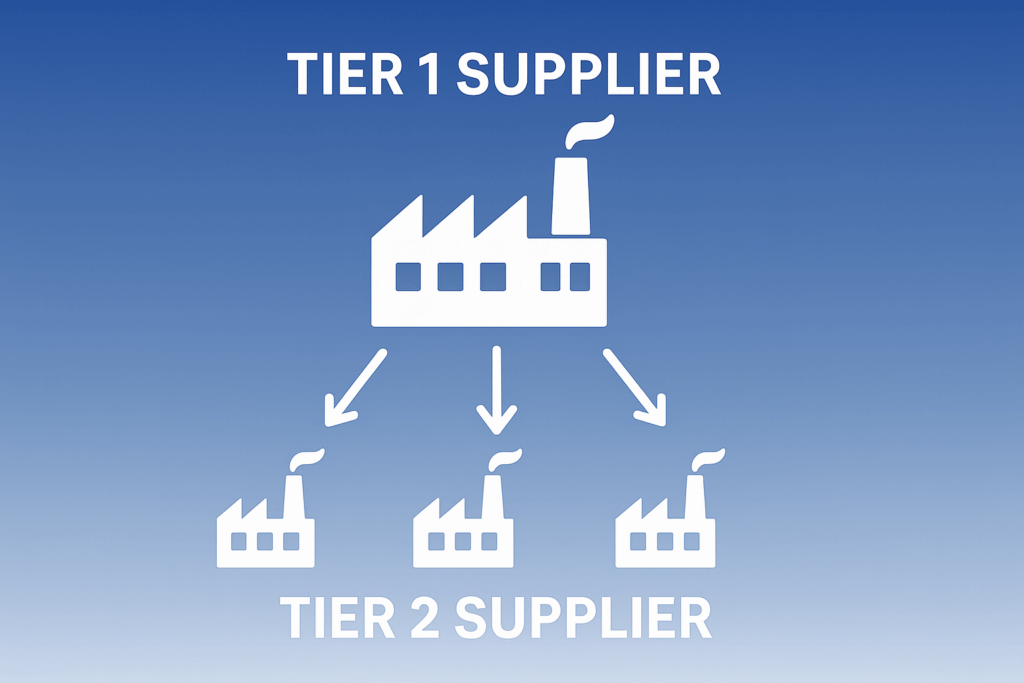
If you work in procurement, supplier diversity, or vendor management, you will encounter the terms “Tier 1” and “Tier 2” frequently. Yet many professionals still confuse what these tiers mean, how spend is calculated, and how reports differ. This guide provides clear definitions, practical examples, and insights based on resources from STARS Supplier Diversity.
What are Tier 1 suppliers?
Tier 1 suppliers are the companies your organization buys from directly. If your accounts payable department cuts a check to Acme Logistics or issues a purchase order to BrightTech Consulting, those vendors are Tier 1.
Your Tier 1 ecosystem is where contracts, risk management, compliance checks, and performance reviews happen. In analytics terms, Tier 1 spend is often called “direct spend.”
According to STARS, Tier 1 analytics involve reporting on direct suppliers’ spend, compliance, risk, and performance. Clean data and KPI-driven dashboards are at the center of effective Tier 1 reporting.
Why it matters: Tier 1 suppliers form the foundation of procurement intelligence. With Tier 1 visibility, companies can manage contract compliance, evaluate supplier performance, track diversity participation, and mitigate risk.
What are Tier 2 suppliers?
Tier 2 suppliers are your suppliers’ suppliers. These are vendors that your Tier 1 suppliers work with in order to deliver goods or services to you. You may not contract directly with Tier 2s, but they play an important role in your overall supply chain.
STARS describes Tier 2 reporting as the process of capturing indirect spend to provide visibility into the extended supplier network. By tracking Tier 2 spend, companies can meet compliance requirements, strengthen diversity initiatives, and identify hidden opportunities for impact.
Why it matters: Tier 2 suppliers extend the reach of your sourcing influence. Even when your own direct categories are limited, your Tier 1 partners can help you support diverse, local, or small businesses through their own subcontracting practices.
The simple difference between Tier 1 and Tier 2 Suppliers
- Tier 1 means direct suppliers. You contract and pay them directly.
- Tier 2 means your suppliers’ suppliers. Your primes pay them, but their spend can still be attributed to you.
Tier 1 vs. Tier 2 spend
Tier 1 spend is money your company pays directly to suppliers. This information usually comes from your ERP or AP system. Tier 1 spend reporting requires data cleaning, enrichment, and consistent classification.
Tier 2 spend is money your suppliers pay to their suppliers. Since you do not have access to their accounts payable data, you rely on Tier 2 reporting programs. Primes submit reports that capture either direct or indirect spend with sub-suppliers.
There are two common types of Tier 2 spend:
- Direct (Attributable) Tier 2: Spend is reported when your supplier purchases from a diverse or qualifying sub-supplier specifically to support your contract.
- Indirect (Allocation) Tier 2: Spend is reported when your supplier’s overall spend with a diverse business is proportionally attributed to you based on your share of their revenue.
Direct Tier 2 is the most precise because it shows spend directly tied to your business. Indirect Tier 2 is common in large programs where exact attribution is not practical.
What goes into a Tier 1 report?
A Tier 1 report consolidates data from your own systems:
- Scope: Direct suppliers, both diverse and non-diverse
- Data source: Your ERP or accounts payable system
- Fields: Supplier name, category, spend amount, certification status, contract utilization, performance scores, risk data
- Cadence: Typically monthly or quarterly, with dashboards for on-demand access
- Primary uses: Sourcing strategy, supplier consolidation, contract compliance, risk management, and diversity tracking
What goes into a Tier 2 report?
A Tier 2 report collects data from your prime suppliers:
- Scope: Sub-suppliers, with a strong focus on diverse, small, and local businesses
- Data source: Submissions by your Tier 1 primes through a reporting portal or template
- Fields: Prime name, reporting period, sub-supplier details, certification type, direct or indirect designation, spend amount, commodity type, location
- Cadence: Usually quarterly, sometimes monthly, with automated reminders for compliance
- Primary uses: Measuring indirect impact, ensuring regulatory compliance, benchmarking, and developing supplier diversity initiatives
Common use cases
Tier 1 reports
- Managing supplier performance and risk
- Improving sourcing strategies and finding cost savings
- Tracking direct diverse spend and ESG impact
Pitfall: Poor data quality. Duplicate records, inconsistent classification, and outdated certification flags reduce the reliability of Tier 1 reporting.
Tier 2 reports
- Meeting contractual or regulatory requirements
- Extending supplier diversity impact
- Identifying promising sub-suppliers for potential Tier 1 opportunities
Pitfall: Over-reliance on indirect allocations. Indirect reporting spreads spend across clients but does not always drive new opportunities for diverse suppliers.
Best practices for Tier 1 and Tier 2 programs
1. Strengthen data quality
- For Tier 1, clean and enrich vendor data regularly.
- For Tier 2, standardize templates and define what counts as direct and indirect spend.
2. Set predictable cadences
- Monthly or quarterly Tier 1 dashboards.
- Quarterly Tier 2 reporting cycles with reminders to primes.
3. Define actionable KPIs
- Tier 1: % of diverse spend, contract utilization, supplier performance scores, risk exposure.
- Tier 2: On-time submissions, % of direct vs. indirect spend, growth in diverse sub-supplier use.
4. Engage suppliers
- Share scorecards and feedback.
- Recognize primes who consistently support diversity through Tier 2 programs.
- Develop sub-suppliers through training and matchmaking events.
Direct vs. Indirect Tier 2 reporting
- Direct (Attributable): Best for showing tangible impact, since spend is directly tied to your contract.
- Indirect (Allocation): Useful for large programs, but should be combined with initiatives to encourage direct diverse spend where possible.
Compliance and audit readiness
- Maintain certification documentation and a clear reporting methodology.
- Use tools that track submissions and edits to ensure audit trails.
- Align reporting templates with regulatory or contractual requirements.
Example scenarios for Tier 1 & Tier 2
1. IT Services
- Tier 1: You pay PrimeCo for managed IT.
- Tier 2 Direct: PrimeCo hires a certified minority-owned staffing firm specifically for your project.
- Tier 2 Indirect: PrimeCo allocates a portion of its nationwide diverse hardware spend to you.
2. Facilities Management
- Tier 1: You pay a national facilities provider.
- Tier 2 Direct: The provider uses a certified women-owned janitorial service at your locations.
- Tier 2 Indirect: The provider’s PPE purchases from a diverse vendor are proportionally attributed to you.
3. Marketing Services
- Tier 1: You hire a creative agency.
- Tier 2 Direct: They subcontract a diverse video studio for your campaign.
- Tier 2 Indirect: Their general spend with a diverse print supplier is allocated to you.
How STARS supports Tier 1 and Tier 2 programs
- Tier 1 Analytics and Dashboards: Clean and enrich supplier data, classify spend, and surface KPIs on performance, contracts, and risk.
- Tier 2 Reporting: Provide an easy-to-use portal for primes, enable both direct and indirect reporting, automate reminders, and track submissions for compliance.
- Data Quality and Onboarding: Scrubbing, enrichment, and supplier self-registration keep data accurate and up to date.
- Benchmarking and Goal Tracking: Compare Tier 1 and Tier 2 performance across industries and set realistic goals.
Quick comparison
- Tier 1: Direct suppliers, reported from your own systems, focused on spend, risk, compliance, and performance.
- Tier 2: Indirect suppliers, reported by your primes, focused on diversity, compliance, and extended impact.
Conclusion
Tier 1 represents your direct control. These are the suppliers you manage closely, evaluate regularly, and pay directly. Tier 2 represents your indirect influence. This is where your expectations and partnership with primes extend your impact deeper into the supply chain.
A strong program requires both. Tier 1 reporting helps optimize cost, performance, and compliance. Tier 2 reporting demonstrates broader impact, supports supplier diversity, and identifies new growth opportunities.
With tools and processes such as those from STARS, organizations can ensure that both Tier 1 and Tier 2 reports are accurate, actionable, and strategically valuable.
Related posts:
No related posts.

Marketing professional passionate about people, creativity, and meaningful growth. Proud to be part of the STARS team, empowering businesses to discover and manage diverse suppliers through one powerful platform.